We need a game-changer for combating zoonotic diseases
Everyone’s talking about the importance of zoonotic disease. And, rightly or wrongly, it’s usually animals that get the blame for passing disease to man.

Everyone’s talking about the importance of zoonotic disease. And, rightly or wrongly, it’s usually animals that get the blame for passing disease to man.
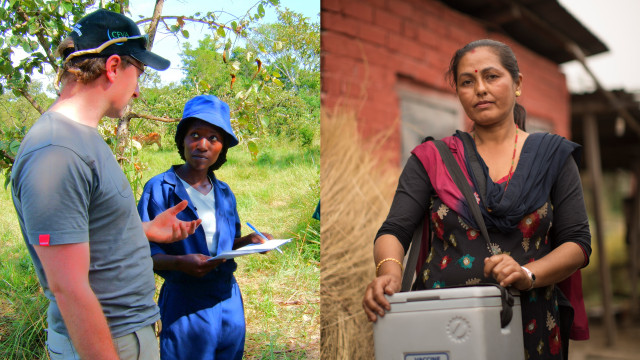
Every local vet plays a critical role in animal and human health sectors, ensuring animal and human health on a daily basis. Similarly, every vet and paravet in the developing countries plays an equally important role of ensuring the health and well-being of many people’s precious assets – livestock.
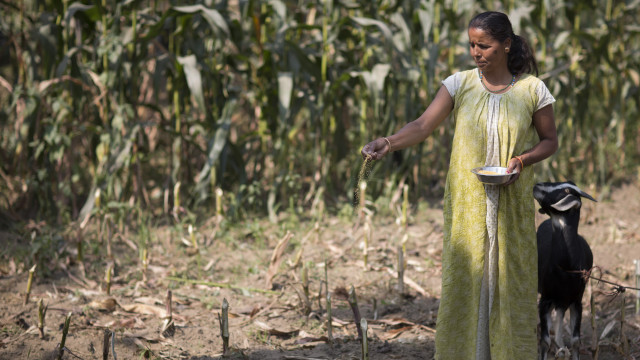
There is a lot of criticism being voiced about modern medicine and its limitations. This is clearly a nice problem to have. People have gotten so used to being protected from infectious diseases by vaccinations and antibiotics, to having broken bones fixed by surgeons under perfect anaesthesia, to having organs replaced and lost eyesight restored, that they take it for granted and only seem to notice the shortcomings of modern health care and to conveniently overlook the benefits of it.
Will Rogers once said, “The best doctor in the world is a veterinarian. He can’t ask his patients what is the matter– he’s got to just know!”
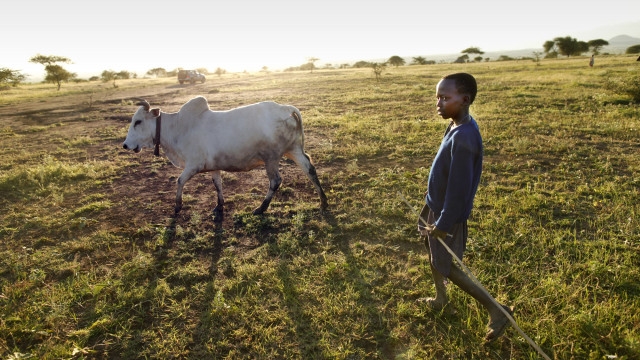
A typical family in Africa is surrounded by animals whether domestic pets or livestock. In most cases, you will find that people who work in the cities have farms back home in the villages where they rear livestock. These are viewed as investments for when they retire.
What makes an 8 year old girl decide she wants to become a veterinarian?
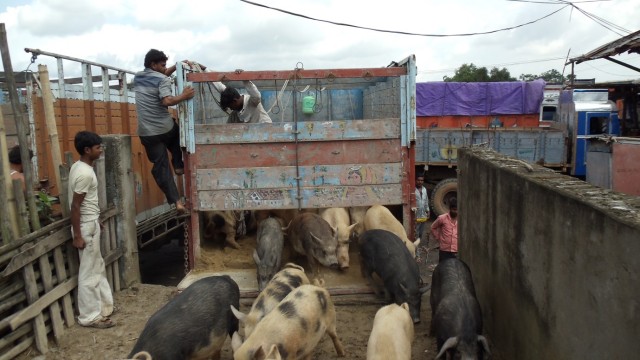
It was a rainy day in August 2013 when we made the trip to Dimapur. We wanted to experience first-hand, the problem of cysticercosis in pigs. Dimapur is the entry point for north-eastern states of India and is well connected by road, rail and air.
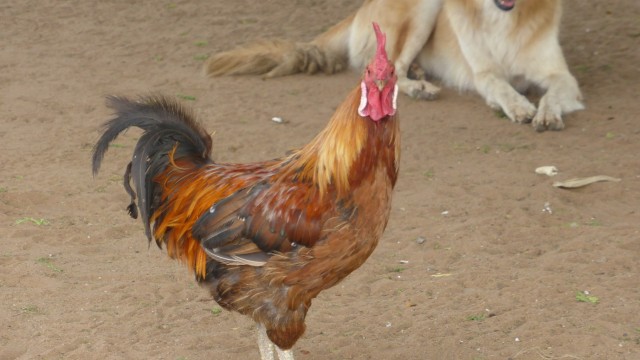
It struck me on a recent visit to a farm some hours from the nearest city in one African country how difficult it is for owners of farms in these areas to access even the simplest of veterinary medicines let alone the services of a veterinarian.
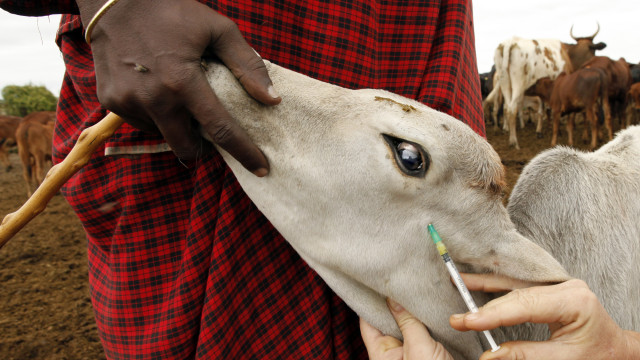
World Veterinary Day provides a great opportunity to celebrate the work of vets around the world and, as it relates to GALVmed, to thank all our many veterinarian partners for your continued support. We belong to a great profession!
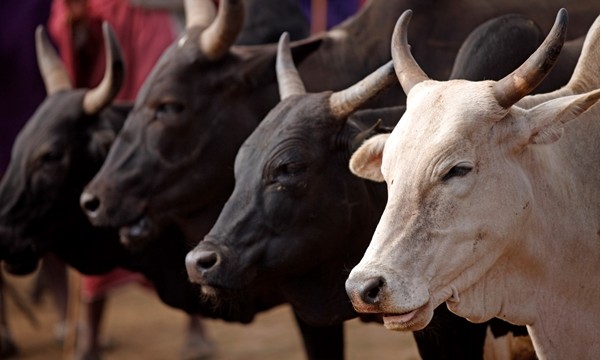
The loss of livestock productivity and mortality caused by the protozoan parasites, Trypanosoma congolense andT. vivax, which is transmitted by tsetse and other biting flies, leads to loss of assets and income to the farmers in Africa. The estimated cost is almost $5 billion a year with over 150 million ruminants at risk in tsetse-infested areas.