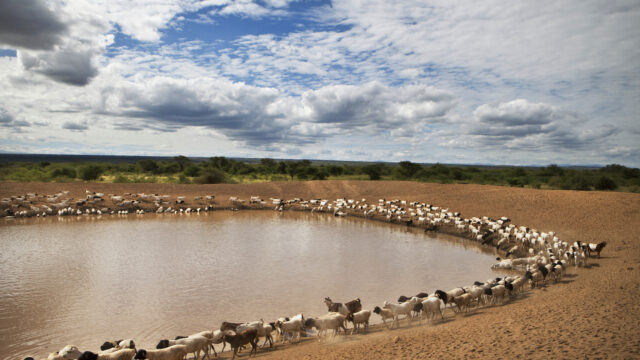
20 years of learning and progress
Over the last 20 years, GALVmed has learned many operational lessons through its various projects and programmes. These are our top five lessons learned.

The series Animals & Us explores the strong connection between the health of animals and people. In GALVmed’s film, we explore how innovation, collaboration, and vaccination of livestock help protect animals, strengthen communities, and advance One Health.
Over the last 20 years, GALVmed has learned many operational lessons through its various projects and programmes. These are our top five lessons learned.
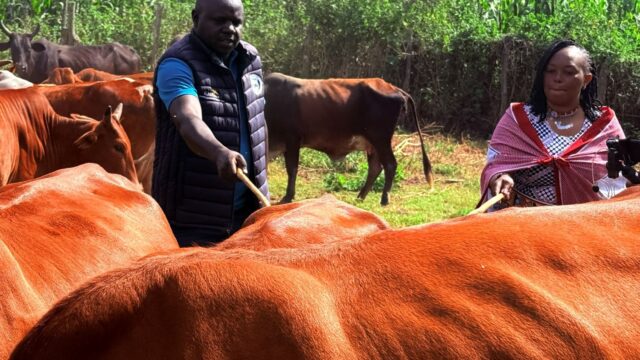
There are days when you spend hours behind a computer, writing stories about livestock farmers and vaccination.
And then there are days when you leave the office, stand in the middle of a farm, listen to people’s experiences firsthand, and remember exactly why those stories matter.
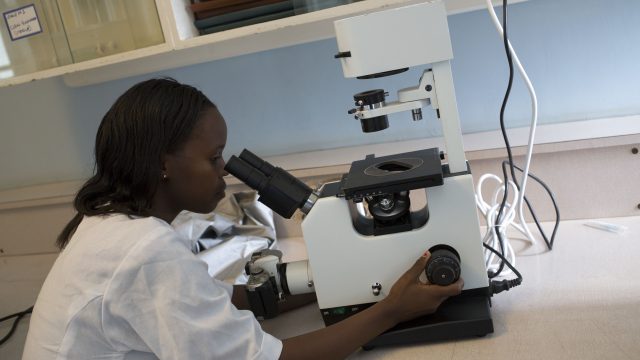
Diagnostic testing is the bedrock of effective animal health interventions. The workshop on Diagnostics for Effective Ruminant Disease Control in Kenya served as a springboard for co-designing a plan for strengthening Kenya’s diagnostic and surveillance system.
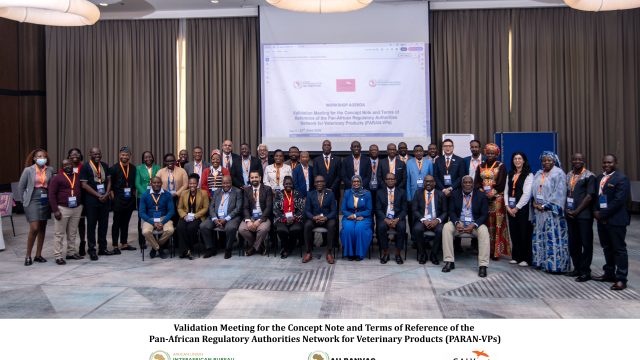
the Pan African Regulatory Authorities Network for Veterinary Products (PARAN-VP) is a platform designed to work alongside existing regional and national systems, strengthening the connections between them.
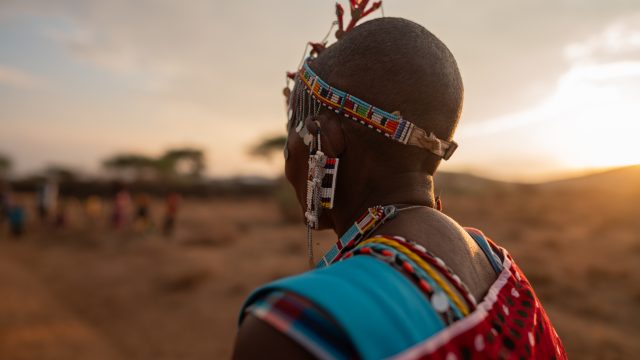
Livestock face a myriad of deadly diseases. Many feel there is need to accelerate the development and distribution of vaccines for chickens, cows, sheep and goats. But small homestead farmers in rural areas can struggle to access these life-saving medicines and vaccines. That’s why GALVmed aims to bring vaccines straight to their door.
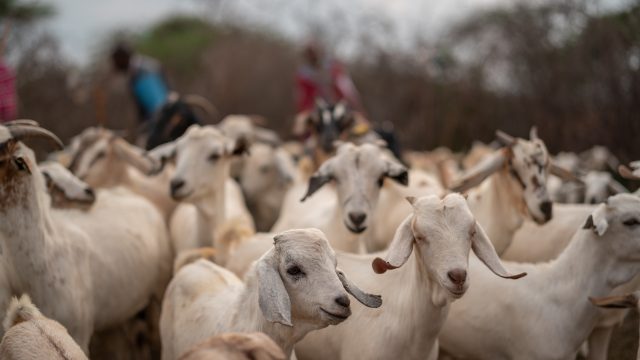
The series Animals & Us explores the strong connection between the health of animals and people.
In GALVmed’s film, we explore how innovation, collaboration, and vaccination of livestock help protect animals, strengthen communities, and advance One Health.
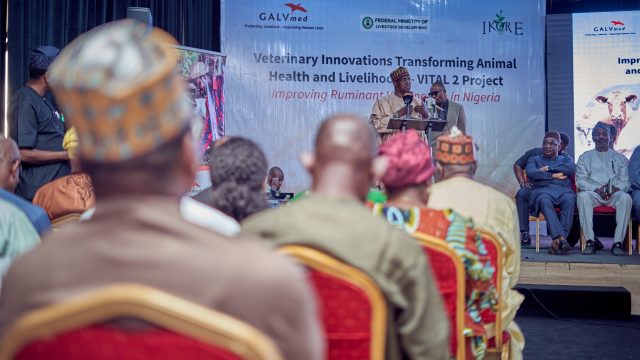
Government leaders, veterinary professionals, development partners, academics, and private sector stakeholders came together to deliberate on solutions to the challenges facing the livestock health sector.
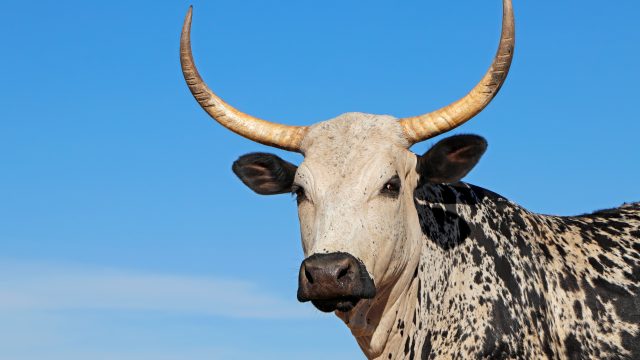
A new joint policy brief by FAO, WOAH and AU-IBAR advocates for a multi-stakeholder and multi-sectoral collaboration to deliver a new generation of trypanocides for the African livestock sector.

The candidate vaccine is a novel target identified on the surface of haemorrhagic septicaemia-associated strains of Pasteurella multocida. It has demonstrated robust protection in cattle against lethal challenge with the two serogroups of Pasteurella responsible for HS.

Applying a gender lens to livestock programmes is not an optional add-on, but a strategic necessity. VITAL 2 is a gender-intentional investment, designed to ensure that gender-related barriers and norms are identified and addressed so that women are not excluded from the benefits of ruminant vaccination as markets and delivery systems expand.