A tale of two states: How a zoonotic disease can be transmitted to unsuspecting consumers

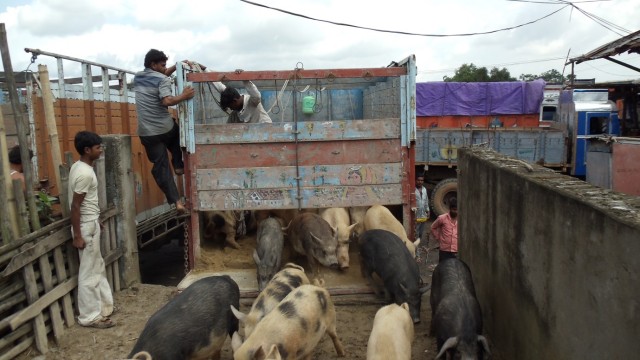
It was a rainy day in August 2013 when we made the trip to Dimapur. We wanted to experience first-hand, the problem of cysticercosis in pigs. Dimapur is the entry point for north-eastern states of India and is well connected by road, rail and air.
Where there are no vets

It struck me on a recent visit to a farm some hours from the nearest city in one African country how difficult it is for owners of farms in these areas to access even the simplest of veterinary medicines let alone the services of a veterinarian.

Vets for the poor: How can we strengthen the profession in the developing countries?

World Veterinary Day provides a great opportunity to celebrate the work of vets around the world and, as it relates to GALVmed, to thank all our many veterinarian partners for your continued support. We belong to a great profession!

Seeking the Next Generation of Livestock Trypanocides

The loss of livestock productivity and mortality caused by the protozoan parasites, Trypanosoma congolense andT. vivax, which is transmitted by tsetse and other biting flies, leads to loss of assets and income to the farmers in Africa. The estimated cost is almost $5 billion a year with over 150 million ruminants at risk in tsetse-infested areas.

CTTBD: Supporting African-led solutions towards sustainable livelihoods in the livestock sector

By: Keith Bohannon, Member Development Officer at Scotland Malawi Partnership Having grown up in rural Ireland, I am very aware of the importance of agriculture to local communities, particularly in […]

GALVmed meets… Kimani Merendei

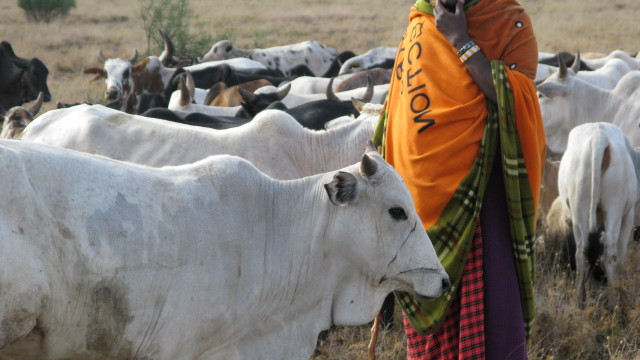
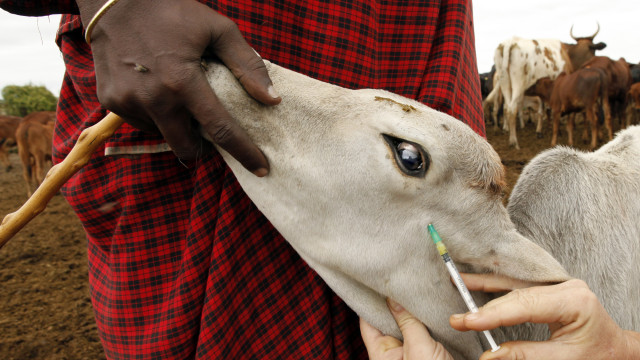
Kimani lives in Arkatan village, a Maasai area, in Tanzania. He was initially suspicious of vaccines and only started administering the immunisation against East Coast fever in 2004.

GALVmed meets… Marry

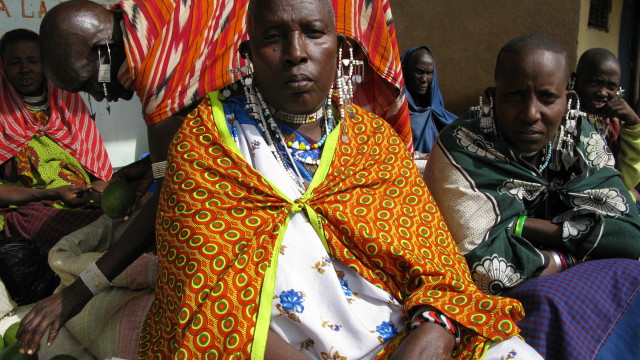
Marry lives in Mairowa village in Longido District, a Maasai area, in Tanzania and is head of its women’s organisation. She had only 10 cows before she had her herd vaccinated against East Coast fever. She now has 60 cows. East Coast fever has a high mortality rate with cows and the disease is rife in many parts of Tanzania

GALVmed meets… Mepukori Mebolokini Mollel

Mepukori Mebolokini Mollel, a Maasai chief, lives in Mesarani village, a Maasai area, in Tanzania. Before he immunized his livestock against East Coast fever, many of his calves died.

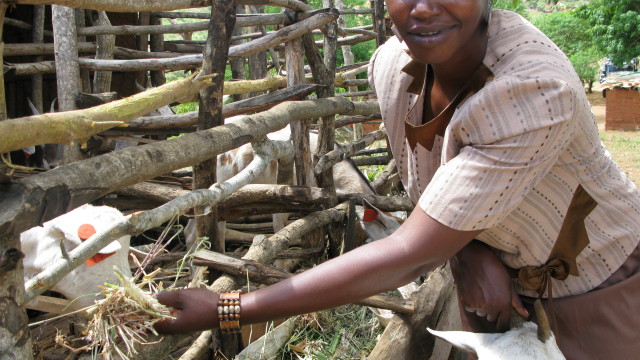
GALVmed meets… Teresa Ndenge, community animal health worker and women’s goat project member

Teresa lives in Nzeluni village near Mwingi in Eastern province in Kenya. Her husband died a few years ago and she was forced to work as a casual labourer. Part of her job was making tea for her employers, “I was so poor that when my employers finished their tea I used to add water to their tea leaves and drink it“.

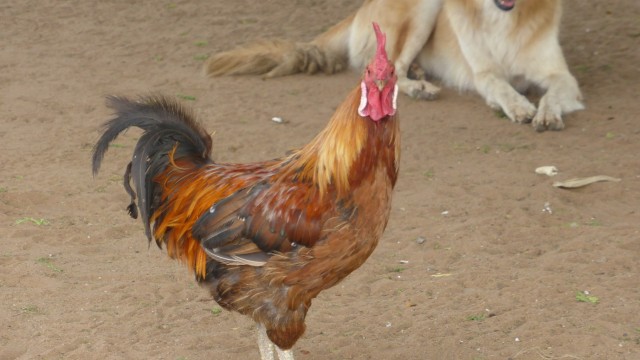
GALVmed meets… Elizabeth Wayua Mutoso who lost her chickens to Newcastle disease

Elizabeth Wayua Mutoso’s chickens were all killed by Newcastle disease, a contagious disease that usually kills most chickens in a household or village.