
The race for livestock vaccination in rural Africa
Livestock face a myriad of deadly diseases. Many feel there is need to accelerate the development and distribution of vaccines for chickens, cows, sheep and goats. But small homestead farmers in rural areas can struggle to access these life-saving medicines and vaccines. That’s why GALVmed aims to bring vaccines straight to their door.
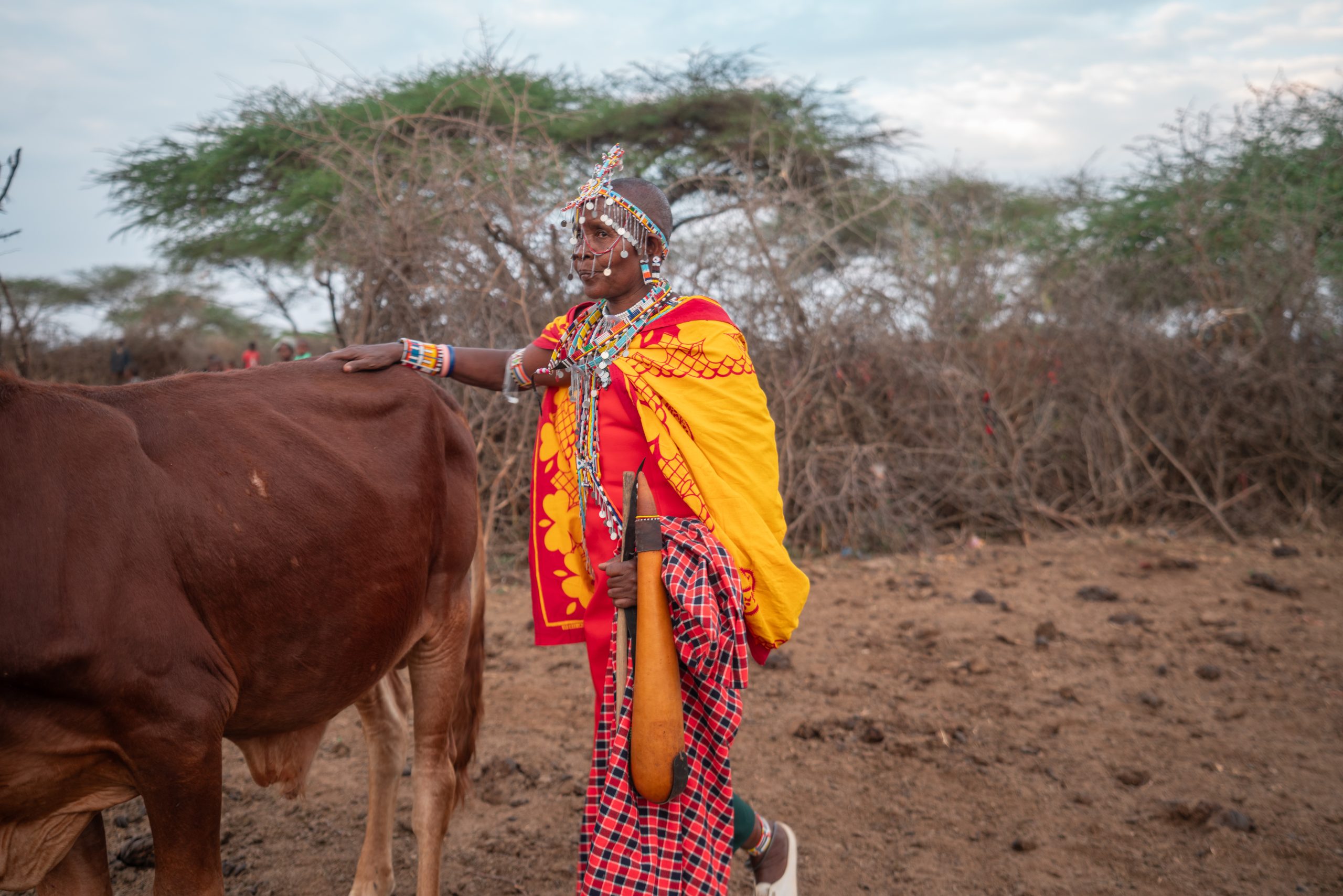
“The happiness of a Maasai is cattle,” says Nailogu Naikuni, smiling as she pats one of her cows on the back, roughing its hair. She’s walking through the pasture, clad in her teal and red traditional shuka, her neck, ears and crown draped in twinkling beads. “I’ve named them, so when I go milk a cow, I say, ‘come Noonkeye,’ and ‘I love you so much’.”
Naikuni is a Maasai farmer in Eng’amata Esinoni, a remote area of Kajiado County, in Kenya. She and her husband own a small homestead, where they’ve raised their 10 children – five boys and five girls – and generations of cows and goats.
Their livelihood as a family, she explains, depends on the well-being of their livestock and cattle, which they rear for milk, slaughter for meat, and sell on the market to pay for other necessities, including their children’s schooling fees. “The cows are our bank,” says Naikuni.
“I have no other savings, the savings are the cattle.”
Naikuni trains her children on how to take care of the cattle when they’re off from school. “I tell them, ‘this is your world for your survival’,” she says.
But herds in rural homesteads throughout Africa, like Naikuni’s, can often be almost entirely wiped out by livestock diseases and fast-spreading diseases. Diseases like contagious bovine pleuropneumonia (CBPP), foot-and-mouth disease, lumpy skin disease and pestes des petits ruminants decimate herds over short periods of time. And while medication – and even preventative vaccines – for such diseases are constantly being developed, fine-tuned and deployed worldwide, such solutions are often too far removed from realities like Naikuni’s. They can be too inaccessible, and simply not made to cater to the needs of small-scale farmers who don’t run massive, industrialised farming operations, she says.
GALVmed’s work over the past decades has focused on changing that, attempting to bridge the gap between vaccine producers and the people who most need access to their products.
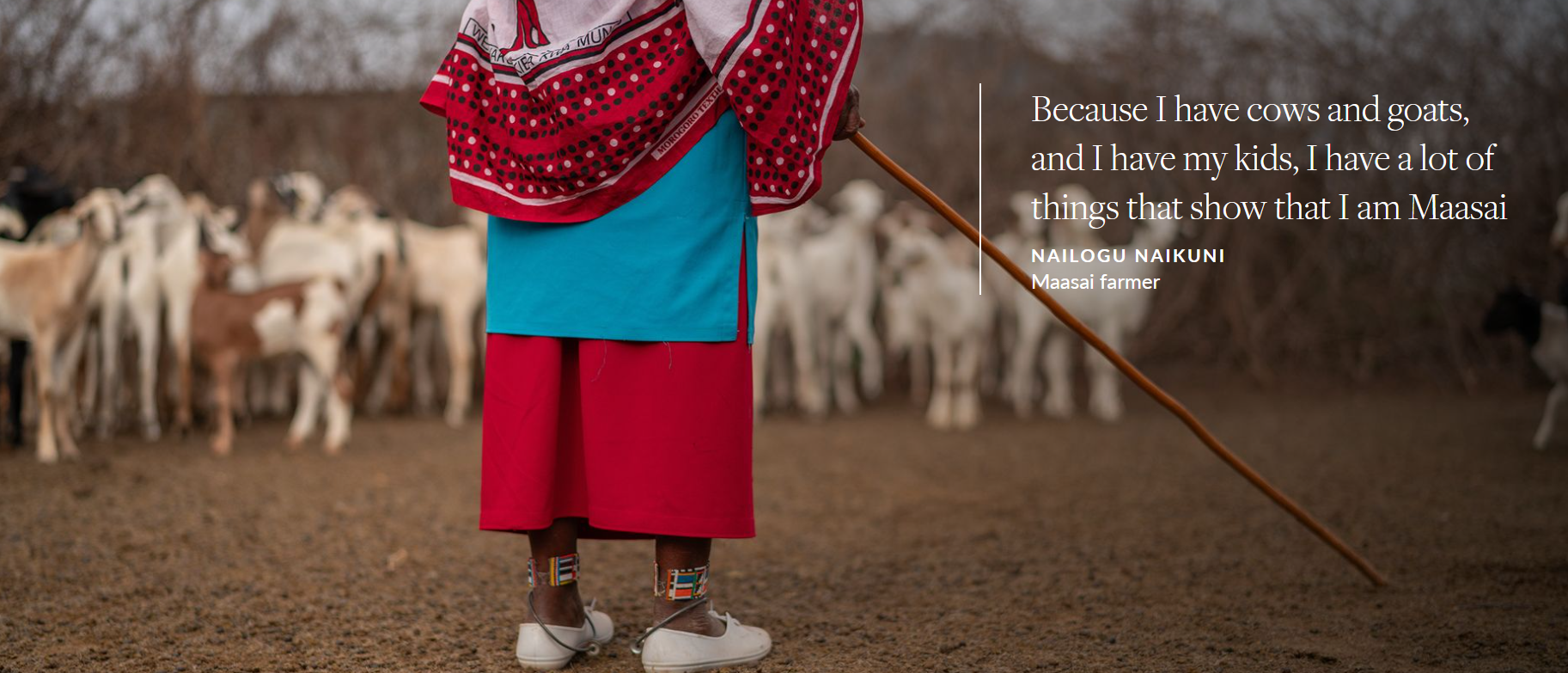
“There’s a lot of challenges for us Maasai at the moment, and many different diseases that make it hard for livestock keeping,” says Naikuni, who describes seeing her cattle and livestock die from sudden symptoms like diarrhoea, bloating and coughing, even overnight.
Worldwide, more than 20% of livestock production is lost to disease every year, costing producers a yearly $300bn (£220bn). Despite having been eradicated in the developed world, for instance, CBPP and contagious caprine pleuropneumonia are two of the most rampant ruminant diseases in Africa, killing thousands of cows and goats a year with a high fever and aggressive respiratory symptoms. Naikuni and her neighbours refer to it as ‘Olodua’, which can also decrease the milk productivity of livestock.
Foot-and-mouth disease is a similarly highly contagious viral disease that causes blisters and excessive salivation in hoofed animals. The disease significantly reduces milk production, and affects their ability to calve, which can have dramatic economic consequences. Lumpy skin disease kills cattle via pox-like symptoms, while the famed peste des petits ruminants (PPR), also known as the small ruminant plague, which impacts more than 300 million farming households each year and can infect up to 90% of a herd of goats if they’ve never been exposed to the disease before, and kill 70% of them.
“If my cow gets sick, I will be sorely disturbed, and I won’t leave it alone,” says Naikuni. Over the years, it’s gotten easier. Since the arrival of a new veterinarian in town and the development of some new vaccines and medications, farmers like Naikuni have seen an improvement. “There are diseases that are not there now because of these vaccines and medicines,” says Naikuni.
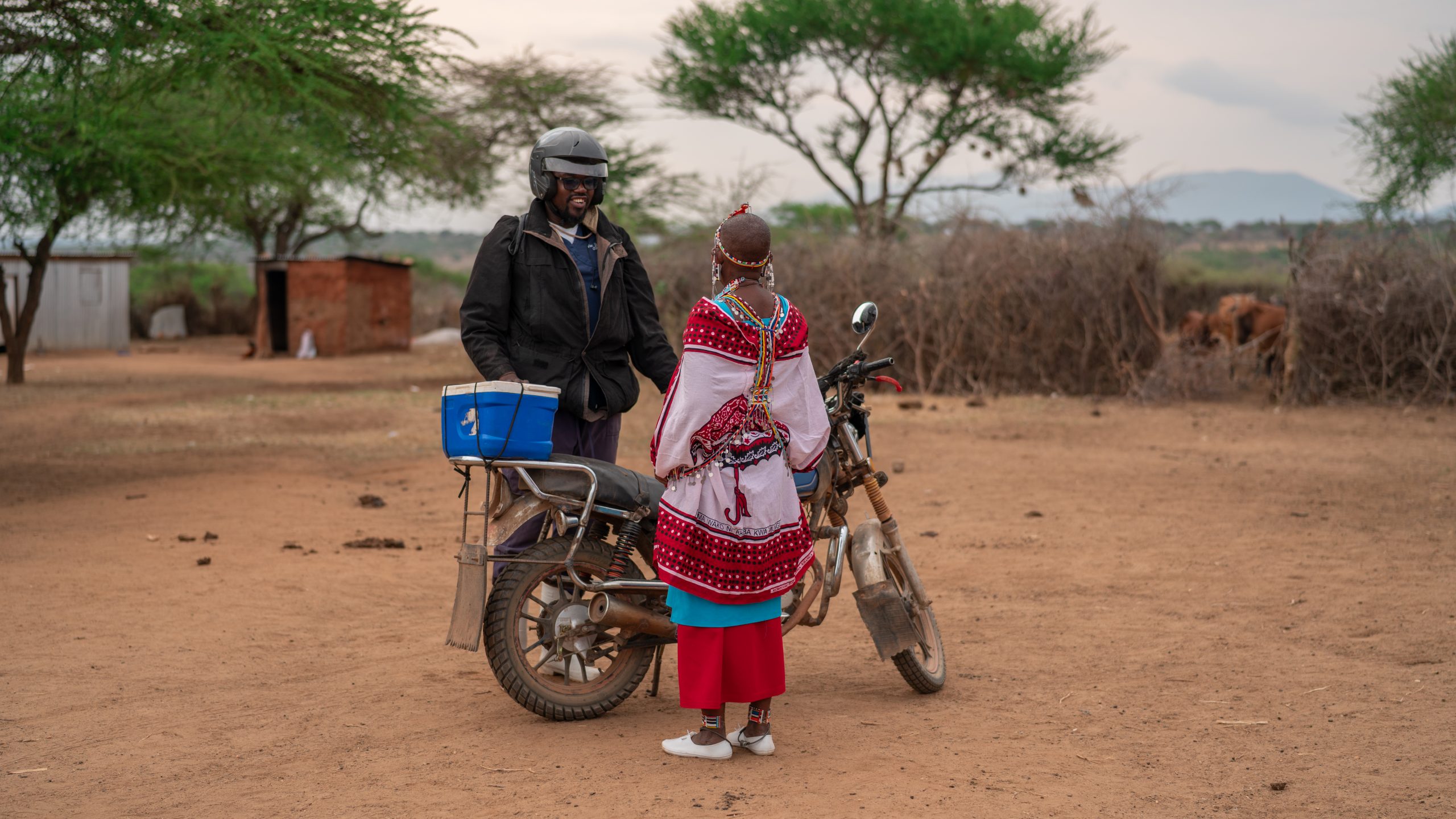
One of the region’s veterinarians, Melita Lein, was born and raised in Kajiado County in a farming community just like Naikuni’s. Growing up, though, he realised there were many more animals than veterinarians to look after them if they fell sick – and animals fell sick more and more often each year. The little veterinary help available was costly, sporadic, far away and didn’t take into account the cultural context of the Maasai or their language, leaving some local farmers feeling isolated. Studies from other parts of Africa suggest that up to 80% of small-scale livestock farmers lack adequate access to veterinary services or have never resorted to veterinarian services for their livestock.
Every day, on his small motorcycle, Lein travels from 10km to over 200km across rugged terrain to remote homesteads, sometimes even in heavy rain, visiting otherwise inaccessible farmers.
“Me sharing the culture with my own people, it has made it easier, explaining things to them,” says Lein. “The work is easier coming from someone who they know and feel is their own.”
He often responds to emergency calls at night and does rounds of routine vaccinations during the day – providing vaccination programs tailored specifically to the needs of the livestock in Kajiado County, as a result of a lot of back and forth between vaccine producers, local government, veterinarians and small-scale farmers.
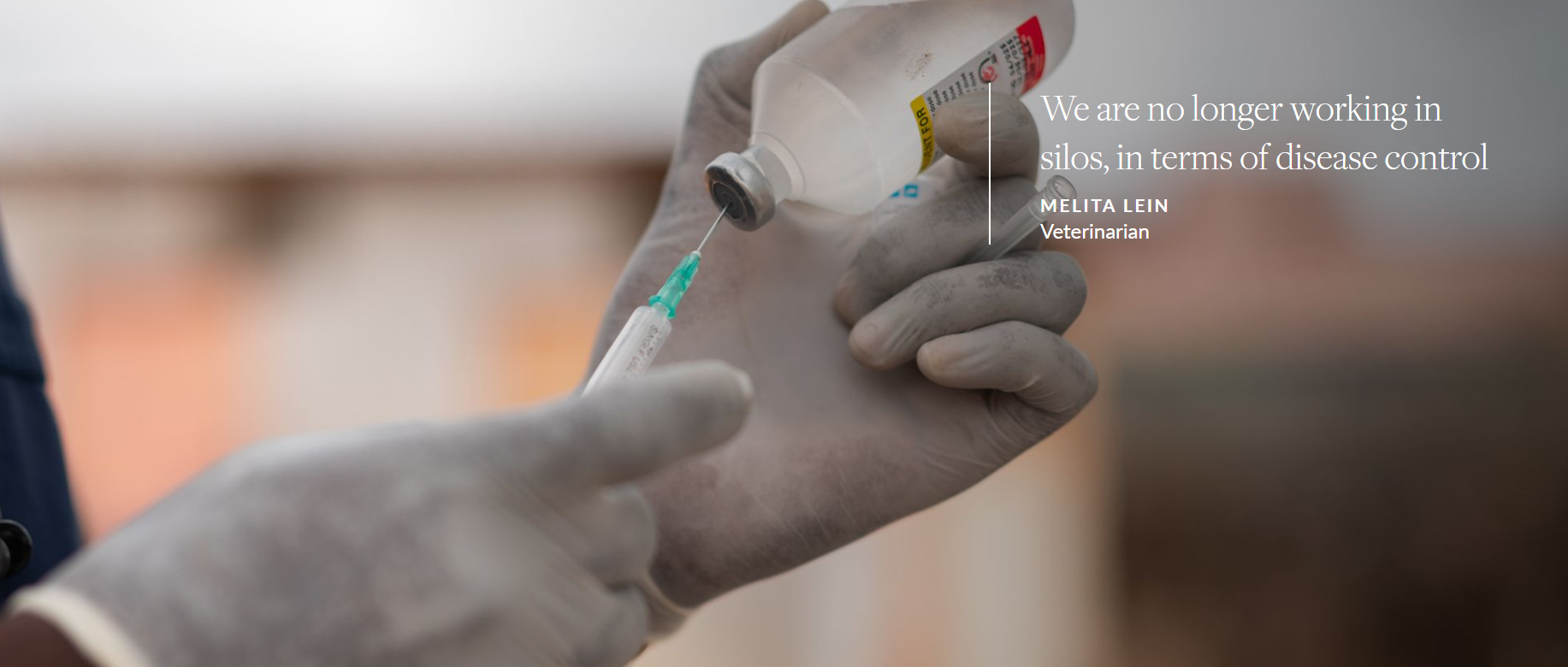
“We are no longer working in silos, in terms of disease control,” says Lein. The work done “bridges the gap between the farmer and them being able to access vaccination.”
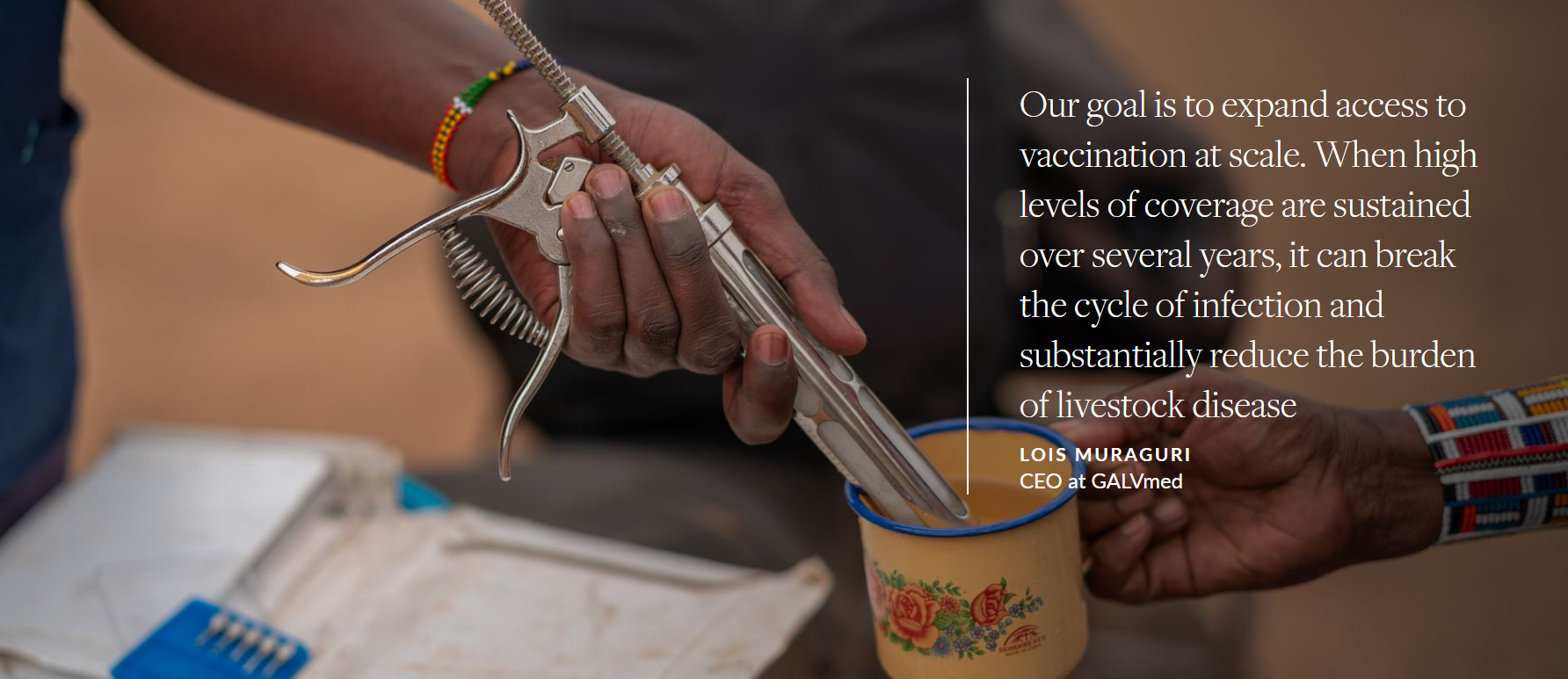
Connecting even the most isolated of farmers to the global vaccine production chain – and making the process simpler and locally sourced – has been at the forefront of GALVmed’s mission in Kenya and the bulk of sub-Saharan Africa.
“We are working with companies and multinationals that have a bit more skin in the game, who are a bit closer to where the problem is,” says Lois Muraguri, GALVmed’s CEO, for veterinarians like Lein to bring to farmers like Naikuni in underdeveloped markets.
So far, they’ve reached 8.6 million annual customers and averted 48.8 million livestock deaths by 2025. And it’s not just about awareness of the vaccine’s existence and the ability to access it, though, says Muraguri. It is about ensuring a vaccine is the right fit local conditions.
“Sometimes you’re doing process improvement, or it could be tweaking something so that it’s specific for the context,” says Muraguri. “Our goal is not only about getting more products into the market, but it’s also about how that market then becomes sustainable.”
For foot-and-mouth disease, for instance, Muraguri’s team supports the development of vaccines that match East African strains specifically, not just global ones. The team also works with manufacturers to make small-volume vaccine packaging for farmers with just a few animals to inoculate, and they explore whether their Newcastle disease vaccines can be given as eye drops, which is simpler for smallholders than injections, or whether dosages can be added to the water the animals drink.
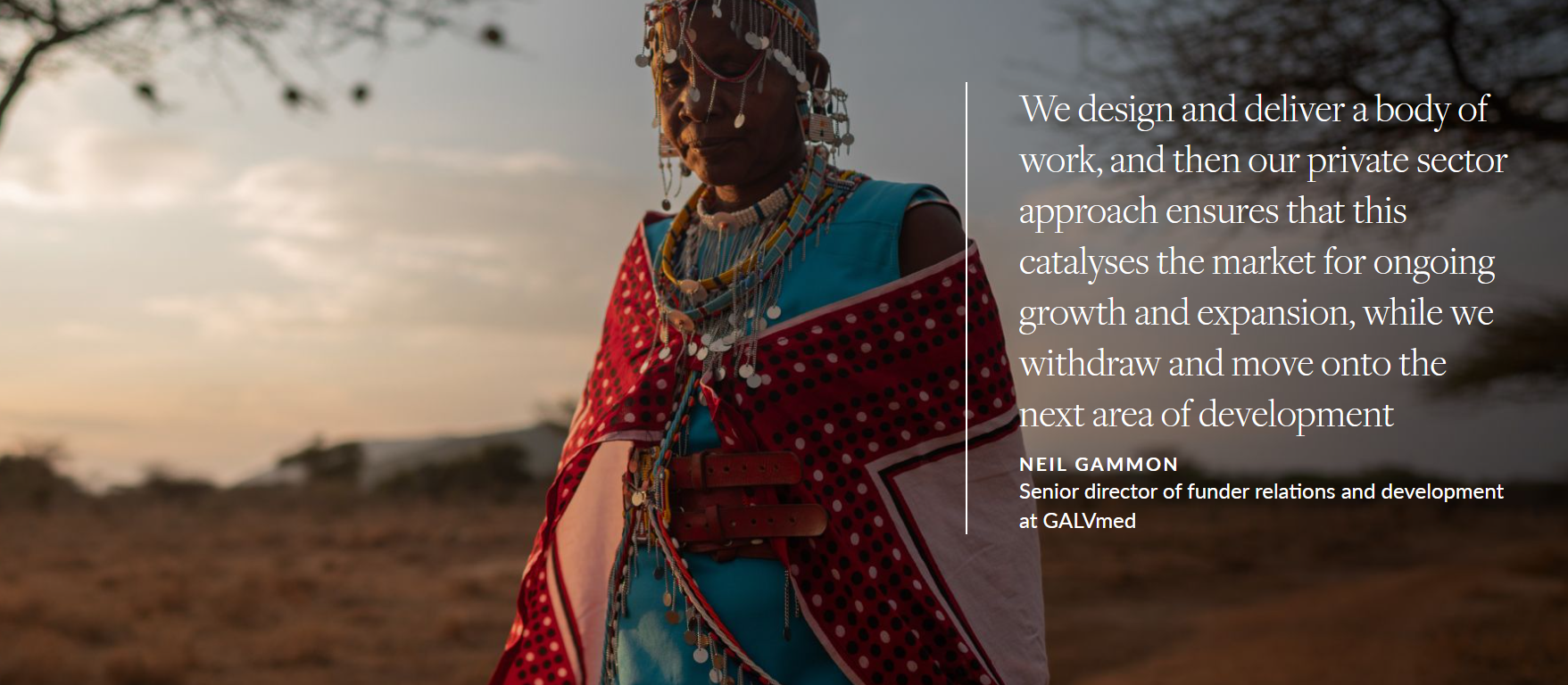
Since it’s often difficult for farmers to understand which diseases strike their animals, Muraguri’s team is also working on combination vaccines that bundle multiple protections into one jab, such as shots that protect livestock against the triad of the PPR, sheep and goat pox, and pleuropneumonia. Three of their multivalent vaccines have just achieved market authorisation.
GALVmed’s approaches have been successful so far, especially in India, where they helped tackle Newcastle disease in backyard chicken flocks. In the area where they intervened, flock sizes increased by 123% within 16 months of the vaccines being implemented.
“That poultry work, there’s quite a good story of our success,” says Neil Gammon, the organisation’s director of funder relations and development. “Now it’s about moving to cattle, sheep and goats. That’s where you still have very low vaccine uptake rates. And so that’s where our focus is going to.”
This article was produced for GALVmed by BBC StoryWorks Commercial Productions. Original article available here.
Photo credit: BBC StoryWorks Commercial Productions.